1. Photos and notes
If it is safe, the owner takes photos from a distance for insurance or a lease dispute. The crew adds notes of its own.
Wilmington, OH · Clinton County
Cleaning up after a loved one's drug use is hard enough. In Wilmington, call (877) 812-4220 and let a cleanup team remove paraphernalia, clean up residue and take away what cannot be saved.
If anyone is in danger, call 911 first. For a suicide crisis, call or text 988.
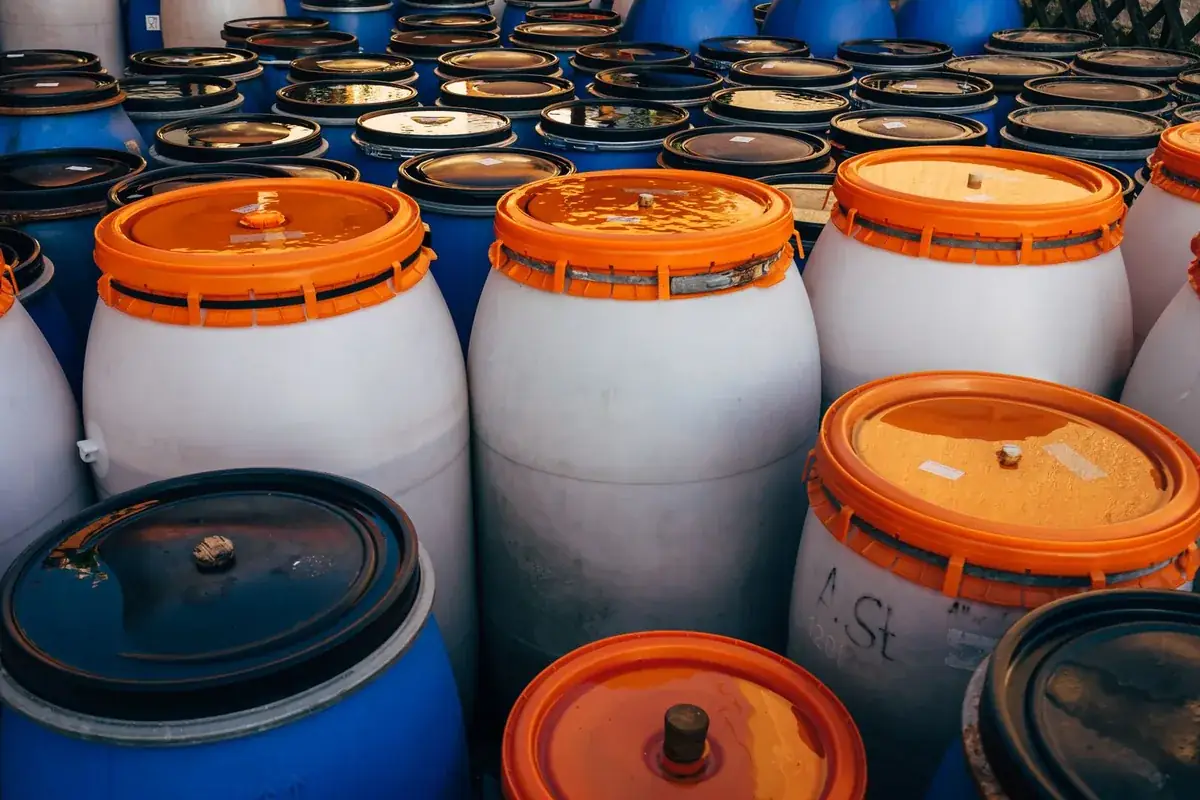
Biohazard cleanup for drug use covers removal of contaminated items, decontamination of surfaces, disposal of soft materials that cannot be cleaned and treatment of lingering odor.
You do not have to remove paraphernalia and residue on your own in Wilmington or anywhere in Clinton County. Call Wilmington Biohazard Cleanup Help for biohazard cleanup crews. Protective gear, sealed containers and EPA-registered disinfectants are part of every job.
With about 42% of Wilmington households renting, a unit left in poor shape after a move-out is a common reason for a cleanup call. If anyone is unresponsive or hurt, call 911. The nearest emergency room to Wilmington is Kettering Health Greene Memorial in Xenia, about 17 miles away.
The work often covers:
If it is safe, the owner takes photos from a distance for insurance or a lease dispute. The crew adds notes of its own.
Sharps come first, then bags, foil, containers and stained linens. Each is sorted into the right container.
Hospital-grade disinfectants go on hard surfaces. Odor treatment follows for lingering smells.
Waste leaves the property, and the owner can ask for a summary of what was removed and cleaned.
The cost of drug paraphernalia cleanup in Wilmington, OH depends on the amount of material, how it is packed and how it is hauled.
Disposal of sharps and contaminated materials as regulated waste is part of the price, and it changes with the amount.
| Type of job | Typical range |
|---|
Estimates only, not a quote. Sources: . Price drivers include amount of material, whether residue is present, surfaces affected, waste disposal. Call (877) 812-4220 to talk through the job.
A single room can be cleared quickly, while a house with hidden items, soiled carpet and odor takes longer. The time depends on the amount of material and access. A team can give a realistic idea after hearing the details.
It can. Once soiled items are removed, a team can treat lingering odor in the air and on surfaces. Ask what methods the team uses and whether odor treatment is part of the plan or a separate step.
Some residues can harm people who touch them, and you cannot tell by looking which ones. That is why gloves are not a substitute for professional cleanup. If skin touches something unknown, wash with soap and water and call Poison Control.
A careful cleanup removes the items and cleans the surfaces it covers. Testing is a separate step, and rules vary by place. Ask the team what it did and did not check, and ask the local health department what applies where you live.
Loose syringes should never go in household trash, because they can stab sanitation workers. Other items may carry residue. A cleanup team seals and disposes of everything the safe way.
The owner of the property usually pays at first. Lease terms and local law decide who is responsible in the end. A landlord, an attorney or a tenant rights group can say. Keep any record the cleanup team gives you, since a landlord or insurer may ask for it.
Crews work without judgment and focus on making the space safe.
Call (877) 812-4220